15 Marzo – — 4.º Domingo de Cuaresma (Laetare)
🌑 Programa meditativo:
1. Penumbra y súplica interior
“Ad te levavi” (Salmo 25) – Claudio Monteverdi
- Ambiente: recogimiento profundo
- Clave espiritual: el alma que se eleva en medio de la fragilidad
Monteverdi logra una oración casi íntima: las disonancias parecen suspiros. Aquí comienza la Cuaresma interior.
🌓 2. Luz que comienza a abrirse
“Nisi Dominus” (RV 608) – Antonio Vivaldi
- Movimiento sugerido: Cum dederit dilectis suis somnum
- Clave espiritual: descanso confiado en Dios
Aquí aparece algo muy propio de Laetare:
la música se vuelve suspendida, casi como un abandono confiado. No hay triunfo todavía, pero sí paz.
🌔 3. Alegría interior (sin perder profundidad)
“Laudate pueri Dominum” (RV 600) – Antonio Vivaldi
- Clave espiritual: alabanza que brota suavemente
Vivaldi introduce una energía más luminosa:
no es la explosión pascual, sino una alegría contenida, elegante, casi humilde.
🌕 4. Anticipación de la gloria
“Magnificat” (RV 610) – Antonio Vivaldi
- Movimiento sugerido: Et exultavit spiritus meus
- Clave espiritual: el alma que ya canta lo que aún espera
Aquí se siente claramente el espíritu de Laetare:
la música se eleva, como si el alma ya estuviera tocando la Pascua desde lejos.
🕯️ Ambiente: luz tenue o una vela y con una actitud tranquila sin mucho análisis, dejar que la música haga su trabajo interior
✨ Clave final
Si tuviéramos que resumir todo el recorrido barroco en una sola imagen:
Es como pasar de una iglesia en penumbra
a un rayo de sol que entra por el vitral…
sin que la penumbra desaparezca del todo.
Ese equilibrio —tan propio del barroco italiano— es exactamente el corazón del Domingo Laetare.
8 Marzo – Tercer Domingo de Cuaresma
Meditación instrumental – Arcangelo Corelli / Geminiani
A Geminiani, lo vemos cruzando un puente italiano mientras entona sobrio La Folia y un proyecto que tiene en mente, unos Concerti grossi sobre temas de Corelli.
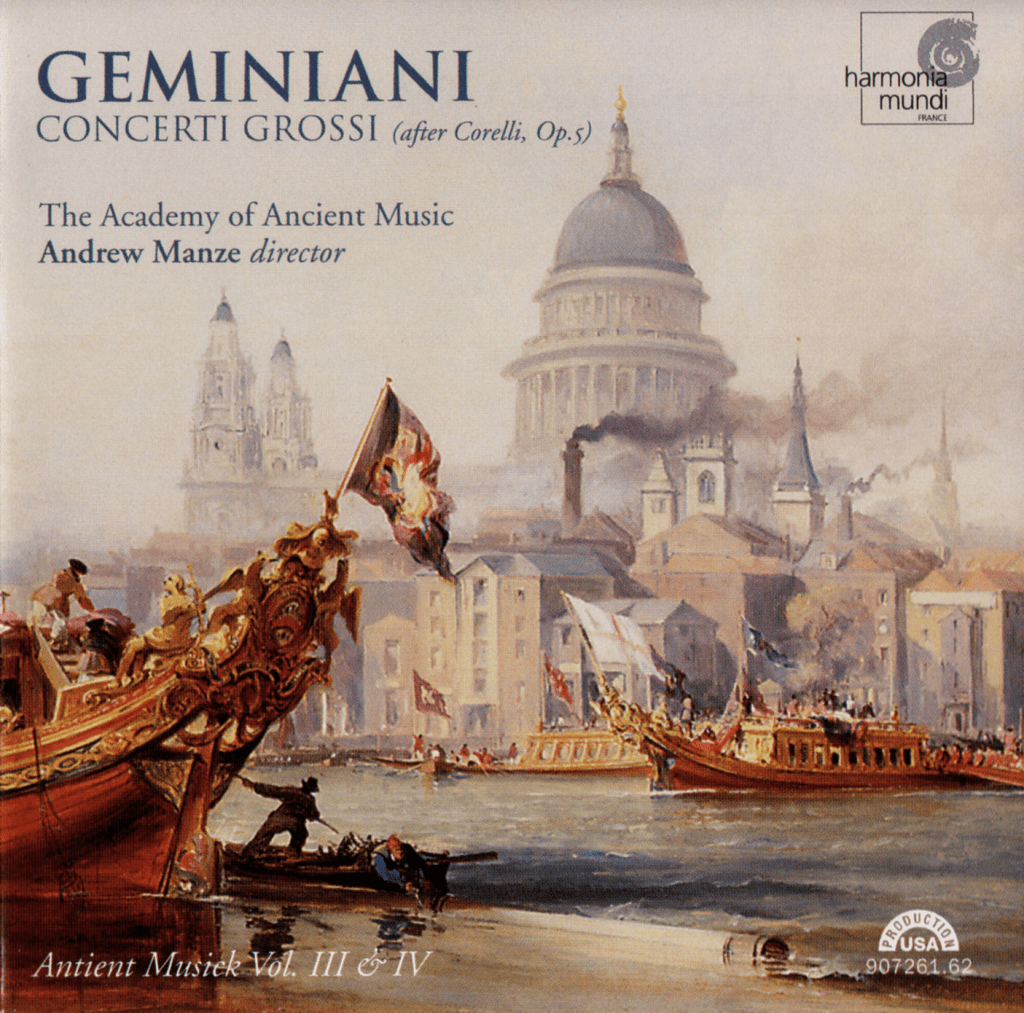
De tal modo el ejercicio hoy es más interior y vibra en el espacio muy personal conformado por la Variaciones Gioldberg de JS Bach y las Variaciones Lucrecia de Lutin Gumucio

Lucrecia Variations – Composer’s Note
The Lucrecia Variations were written in memory of my grandmother, Lucrecia, whose presence—quiet, dignified, and faintly mysterious—lingered long after her passing, more than 20 years before I was born. I am told she possessed an unusual serenity, the kind that leaves an imprint not only on those who knew her, but on the spaces she inhabited.
These variations do not attempt to tell her story directly. Rather, they circle around it. A simple theme appears at the beginning: gentle, almost naïve, like an evening conversation remembered only in fragments. As the music unfolds, the theme is transformed—sometimes tender, sometimes uneasy, occasionally shadowed by harmonies that seem to ask questions rather than answer them.
Family histories often contain silences. There are rooms in memory that remain closed, conversations that ended too soon, and glances exchanged across a table whose meaning was never fully explained. In such spaces, imagination inevitably wanders. One senses presences, intentions, perhaps even secrets—but certainty always slips away.
A recurring figure in the variations is a soft but insistent descending line, almost like a whisper behind the melody. Whether it represents grief, suspicion, or merely the restless curiosity of those left behind, I leave for the listener to decide.
In the end, the music returns to the opening theme, now altered by everything it has encountered along the way. What remains is neither accusation for dark things that might have happened, nor explanation—only a quiet remembrance, and the suggestion that some family stories, like certain chords, never quite resolve.
Editor’s Note
The Lucrecia Variations take their name from a figure who appears only briefly in the composer’s family history, yet whose memory seems to have lingered with unusual persistence. Maternal grandmother Lucrecia died in 1929 under circumstances that, according to several elderly relatives, were remembered for many years with a certain quiet unease. No definitive account survives. Family recollections—fragmentary and occasionally contradictory—tend to circle around the same restrained observation, repeated over time with remarkable consistency: “Something rather strange happened there.”
Whether this persistent remark reflects little more than the natural embroidery of memory, or the fading trace of events never fully clarified, maybe even and aunt known for her household remedies, is impossible to determine today. The composer himself makes no claims beyond acknowledging that such murmurs, overheard in childhood conversations among aunts and great-aunts, left a lasting impression.
Listeners may therefore hear in these variations not a narrative, but an atmosphere: the echo of a story half told, and perhaps deliberately left unfinished.
1o. Marzo – Segundo Domingo de Cuaresma
Tema: Interiorización –
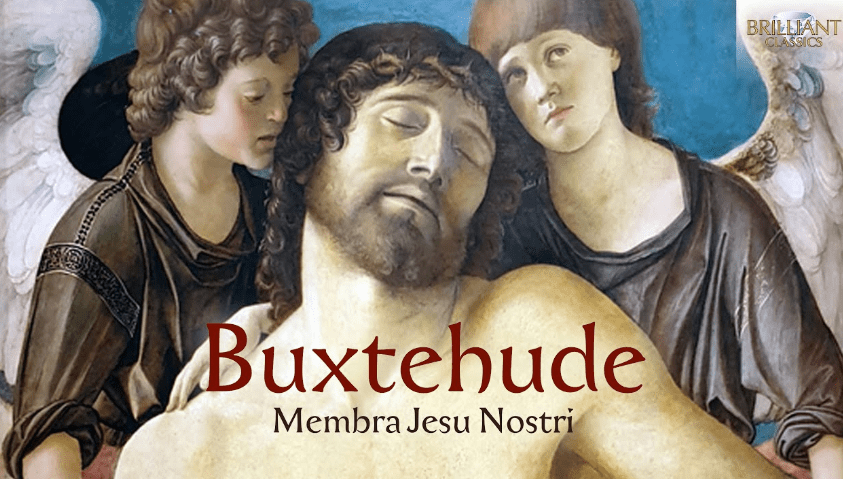
Aquí ya no es estar en el desierto, sino en la contemplación afectiva del Cuerpo sufriente.
Es profundamente luterano pero con una mística casi católica.
Es como si el ayuno empezara a doler dulcemente.
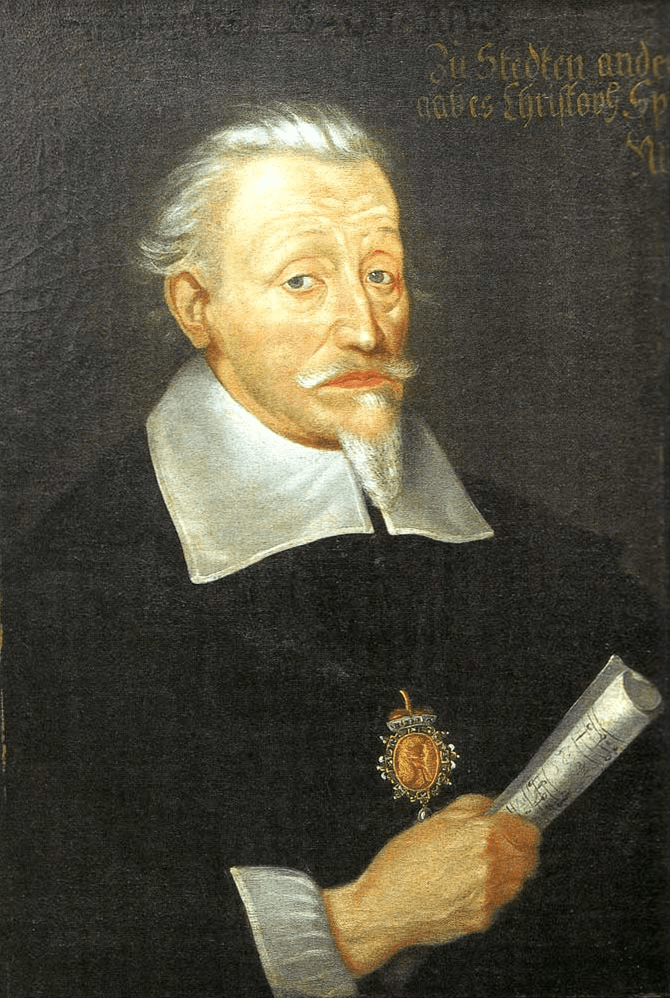
22 Feb. 1er.Domingo de Cuaresma – Para acompañar el dia, la sobriedad radical de Heinrich Schütz – quien es desierto, textura desnuda y palabra antes que ornamento.
Heinrich Schütz (Köstritz, Turingia, 1585- 1672) fue un organista y compositor alemán, generalmente recordado como uno de los más importantes compositores alemanes antes de JS Bach y a menudo considerado uno de los principales del siglo XVII, junto a Claudio Monteverdi.
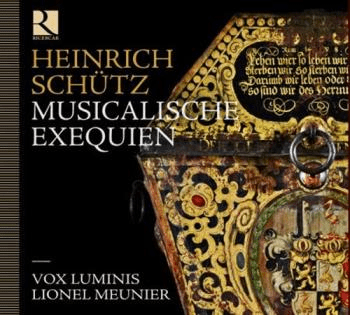
Especialmente: Musikalische Exequien (op. 7) y alguna de las Symphoniae Sacrae (las primeras son más austeras) Es el equivalente musical de quitar adornos interiores.
Aquí el “ayuno” es dejar que el texto bíblico suene casi sin mediaciones.
Para algo más estrictamente cuaresmal: sus Pasiones según los Evangelistas (muy sobrias, casi sin acompañamiento instrumental). Son un ascetismo casi monástico.
 Boletin Walintonia
Deja un comentario