Quintin Gumucio
Alguien más quiere agregarse?
21 / 4 – Martes. BBC Music Instrumental: Suites para cello de JS Bach x Miriam Prandi ****
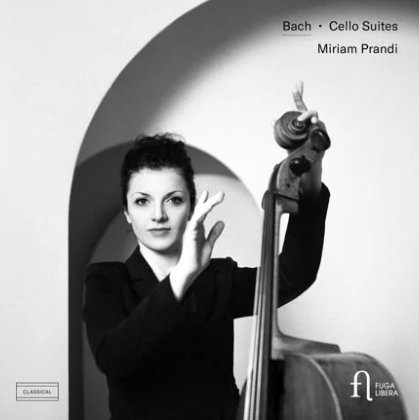
«Each suite offers a different emotional landscape, a miniature universe of contrasts, colors & characters»
———————————
20 Abril – Lunes vocal: Vocal choice ***** Canciones de Donizetti
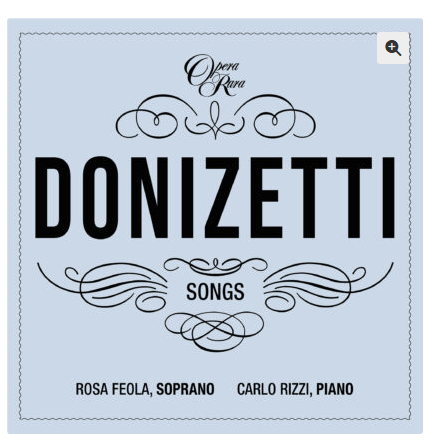
The prolific and versatile Italian composer Gaetano Donizetti, one of the central figures of Italian bel canto opera, also wrote around 200 solo songs. Most of them are rarely performed and some, until recently, were completely unknown. Curated by musicologist Roger Parker and under the leadership of Opera Rara’s artistic director Carlo Rizzi, Opera Rara presents the complete solo songs in a series of eight recital albums, making a powerful case for Donizetti as a key figure in the 19th-century song repertoire and restoring the Italian school to prominence in a field long dominated by German and French composers.
This volume features the acclaimed soprano Rosa Feola, whose radiant tone and expressive artistry have made her a favourite on the world’s leading opera stages. A multiple prize-winner at Operalia, The World Opera Competition early in her career, Feola brings her “impeccable control of breathing and phrasing” (The Times) to Donizetti’s rarely heard songs for soprano, revealing their emotional depth and effortless grace.
19 / 4
18 Abril – SAB – Uno escucha al Air de JS Bach en la vocalización de Wendy Kokkelkoren y el tiempo se detiene.
https://music.youtube.com/watch?v=HCkyYjNcuBI
17 / 4
16 Abril – Jueves – Quator Diatima (BBC Music) Avant-Garde Classics for String Quartet
Quatuor Diatima is a highly regarded chamber ensemble formed in 1996 by graduates of the Paris Conservatory. The quartet’s name, Diotima, has a double musical significance, representing both a German Romantic allegory and a contemporary musical rallying cry. It has collaborated with renowned composers such as Pierre Boulez and Helmut Lachenmann, and regularly commissions new works from contemporary composers. The ensemble’s recordings have been praised by the international musical press, earning them prestigious awards like the Diapason d’Or and Gramophone’s Editor’s Choice. Quatuor Diatima performs in some of the world’s finest concert halls and is known for its innovative approach to chamber music, reflecting the music of our time while honoring the masterpieces of the 19th and 20th centuries.
Quatuor Diotima makes its Pentatone debut with a recording of Györgi Ligeti’s string quartets. While the second quartet from 1968 is an avant-garde classic, the first from 1953-54, “Metamorphoses nocturnes”, is often nicknamed Bartók’s seventh quartet, pointing out the continuity between these two Hungarian master composers. Despite moments of nostalgia, it already possesses the ferocious, adventurous nature of the later quartet. In-between these two iconoclast works, the Andante and Allegretto from 1950 offers an intimate moment of repose. The members of Diotima long postponed recording Ligeti’s string quartets, intimidated by their music-historical significance and the demands they place on the players, but now the time has come to pursue this fascinating project and share it with the world.
It was time for us to dive, for, as Ligeti said after getting the Polar Music Prize: “it’s like you’re entering a river. And the river is very fast flowing. And then you let… you… go with the river. And this was my whole life with music.”
“For many years we had to postpone recording the Ligeti quartets, terrified as we probably were by the weight of the task at hand. It’s wasn’t just the technical or the instrumental challenges which kept us away, however formidable they may be, but it was mostly a fear of risk, facing music that’s on the edge of utopia.
It was of course the second quartet which accompanied us first, this work being one of the foundational masterpieces of the aesthetics of the 20th century, and of our quartet, having perceived immediately its fierce acquaintance with silence, the terseness of its inflamed expression, and the secret flow of its architecture. Five movements form this quartet – or rather, five essays on movement, each articulated following a logic of contrast and opposition worthy of a vivid dream. And yet, in a way, water permeates through every texture: Ligeti founds, then melts, smelts, his own art, its own rules, takes leave, erases all references to folk music, and last but not least makes iridescent each instrumental entrance by a sort of… law of contagion: anything emitted by an instrument is transmitted, affecting and infecting the other three, reaching inevitably all four voices: from this point on, absolute dizziness, no marks nor borders, a sense of stormy similitude, the intuition of a nearly deaf and unwitting twinning and bond between the instruments.
How many works have been composed under the spell of this masterpiece? How many of us performers and composers were in shock at this great unfolding of the alphabet of the future?
Then came the first quartet. Another unavoidable masterpiece, though often referred to, as a “mot d’esprit”, as the 7th quartet by Bartók. Of course, Ligeti’s great musical fellow countryman is ever present in these pages, through the use of folk music principles – but here the instruments shock and electrify each other, through a kinesis made out of ruptures, reaching from the burlesque to the traumatic. Performing this quartet requires a feverishness that’s often impressive even to us, a risk taking, in order to follow and provoke these “nocturnal metamorphoses”, not only invoking Bartók but also the vertiginous drawings of a Mauritz Escher, created from an invisibly simple series of patterns. This music feels like metal, with its gleam, its thickness, its secret style. It was this recording project which brought us to being acquainted with the Andante and Allegretto, a work from his student years bearing a sleek melancholy, a dredged up sense of grace. The few “forte” moments stem out of a taste for folk music with which he had affinity then. The academic format one may find here is relieved of its duty in the first quartet, composed three years later in 1953.
15 / 4 – miercoles
14 Abril – Martes: Instrumental Choice: Robert Schumann with Nikolai Luganski *****
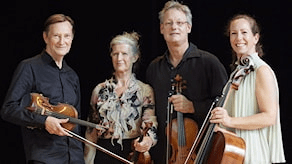
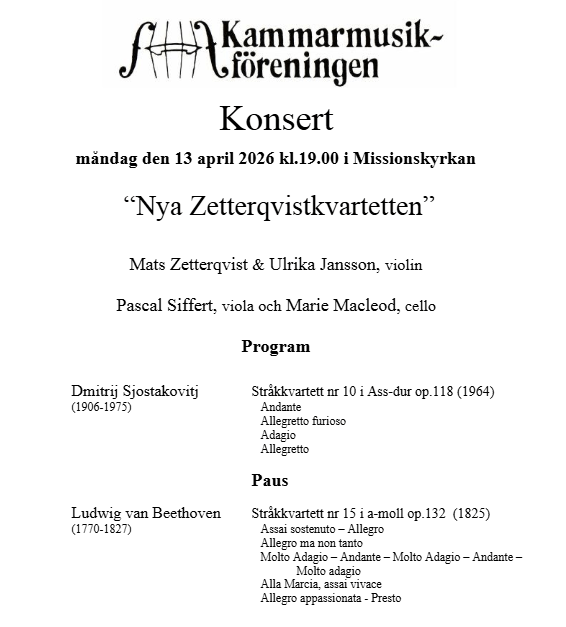
13 / 4 – Lunes: Concierto en Upps. org. por la Asociacion de Música de Cámara: Los amigos de siempre: Nils (de las patillas faciales), Anders y Barbro, Beng y Kaj, Tollef y
DGO 12 Abril –
SAB 11 / 4
Vie – 10 Abril
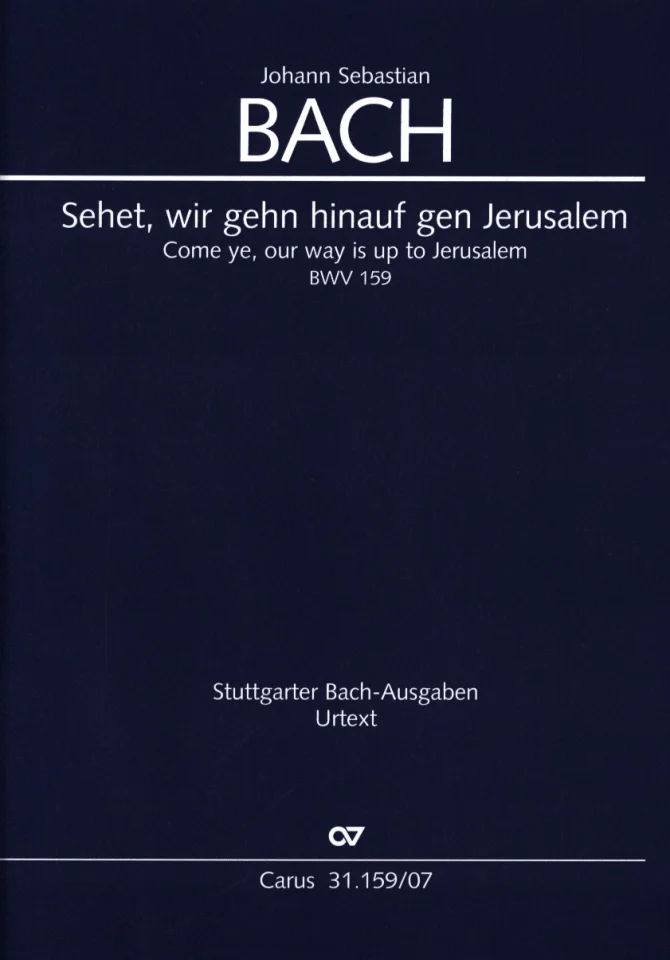
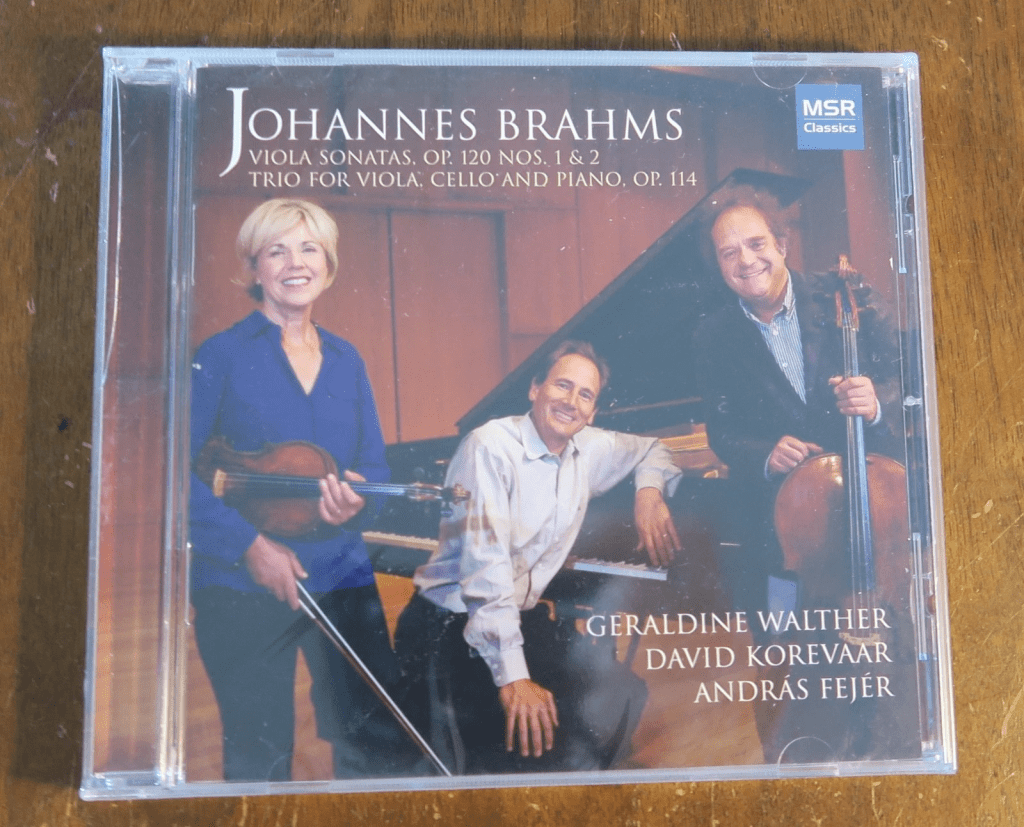
8 Abril – Miercoles – Trio para viola, violin y piano op.40 de Johannes Brahms
7 / 4
6 Abril Lunes de Pascua
—————————- semana 15 —————————
DGO de Pascua 5 / 4
4 Abril – SAB Santo
3 / 4 – Viernes Santo –
2 Abril – Jueves
1 Abril – Llega muy oportuno el BBC Music
———————-
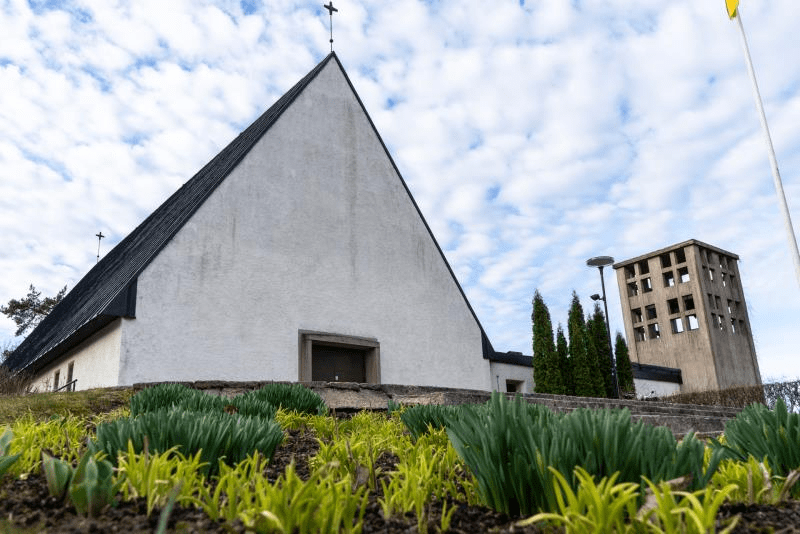
29 / 3 – Domingo de Ramos – Hermoso recital en la iglesia de Eriksberg en Uppsala
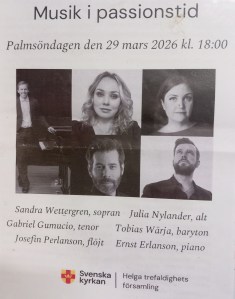
Con lucida participacióin de Gabriel
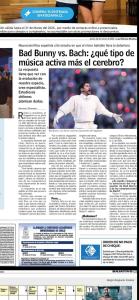
27 / 3 – Viernes – Aporta José Miguel sobre Bad Bunny
26 Marzo – Jueves:
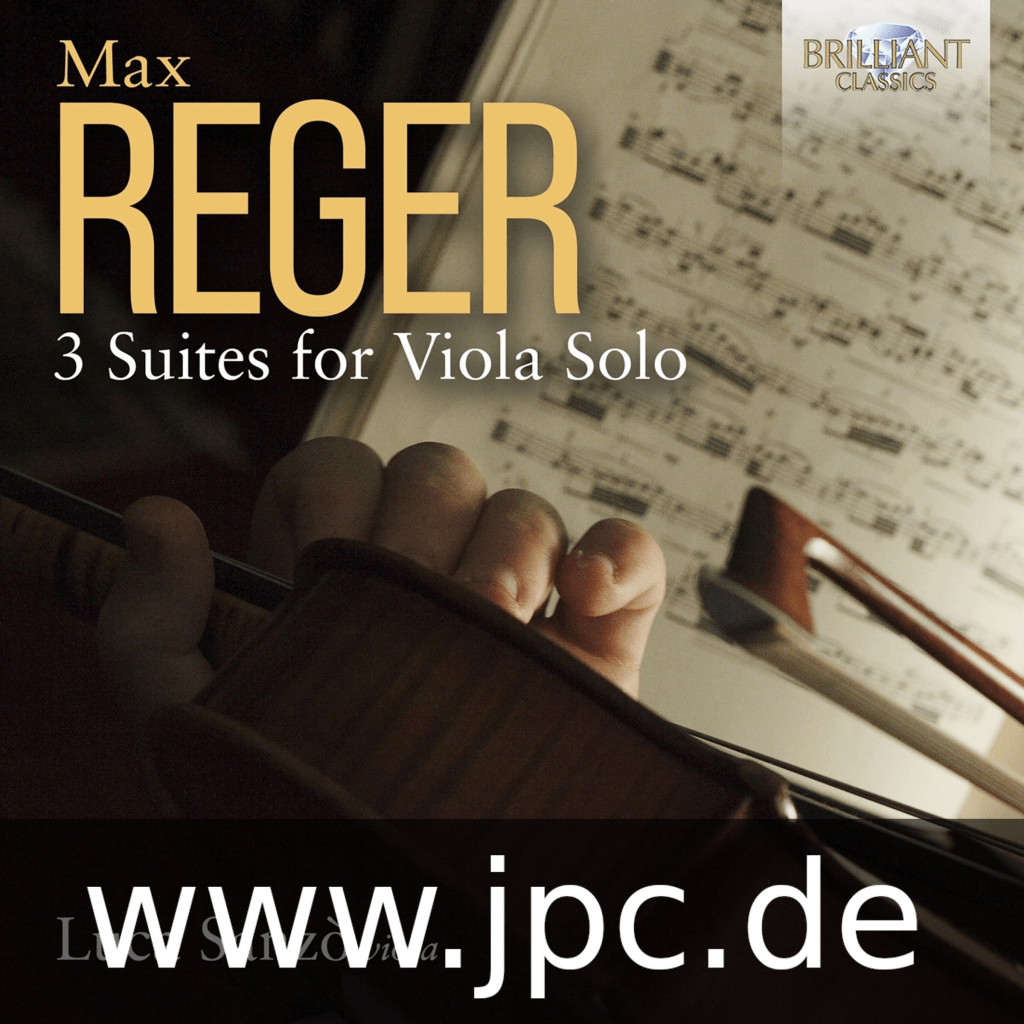
Versión para viola en vez de corna recomendación de Deep Seek
25 / 3 – Miercoles
24 Marzo – Martes
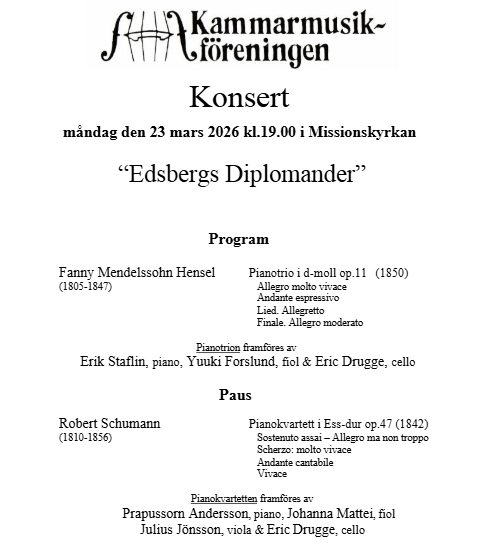
23 / 3 – Lunes. Quintin en concierto en Uppsala: Schumann deslumbrante, la Fanny Mendelssohn reguleque
22 Marzo – DGO. MG en La Scala de Milano escuchando a Helene Grimaud
21 / 3 – SAB
20 Marzo – Viernes: Concerto Choice – Helen Grime
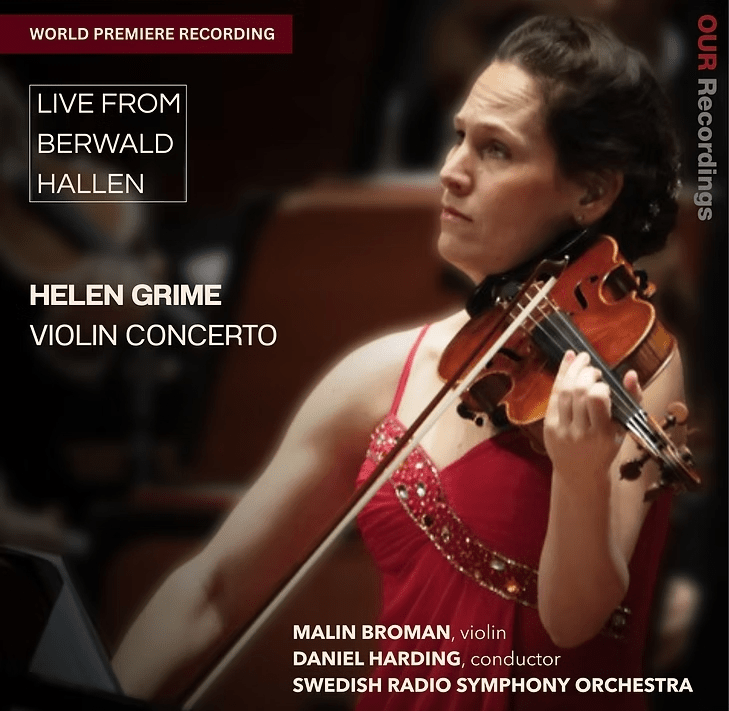
Premiered in 2016, apart from the music itself being utterly captivating, the intensity / the performance & the clarity / the recording makes this a winner
19 / 3 – Jueves
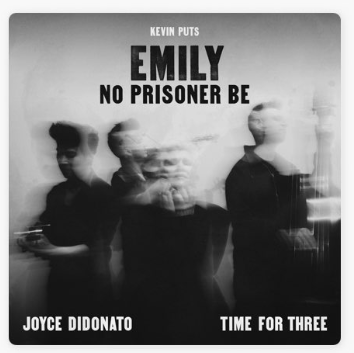
18 Marzo – Vocal choice: by Kevin Puts. With Joice Didonato, «Is it a song cycle? An opera? Musical theatre? Kevin Puts is all three».
17 / 3 – Martes: Se cumplen hoy 113 años del nacimiento de nuestro querido padre Sir Alex
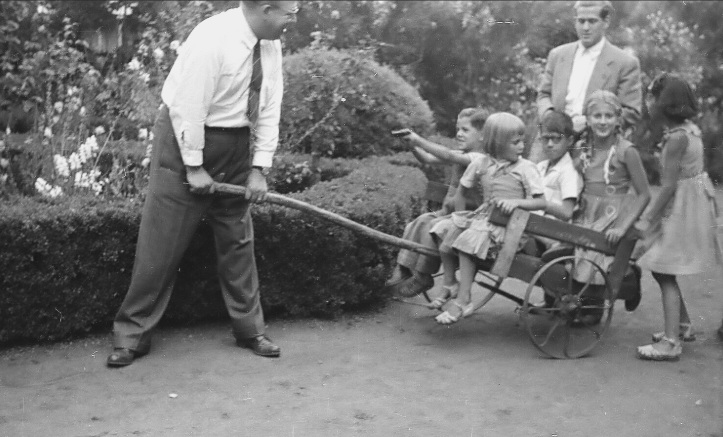
- Quintín: Concierto para piano # 4 de Beethoven. El papá me enseñó a apreciarlo cuando yo tenía 10-12 años.
– Balalin: Variaciones Goldberg, JS Bach en la versión de Claudio Arrau. Fue el último CD que le regalé
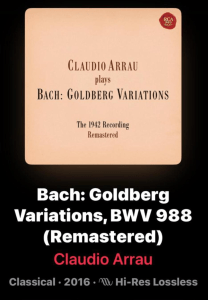
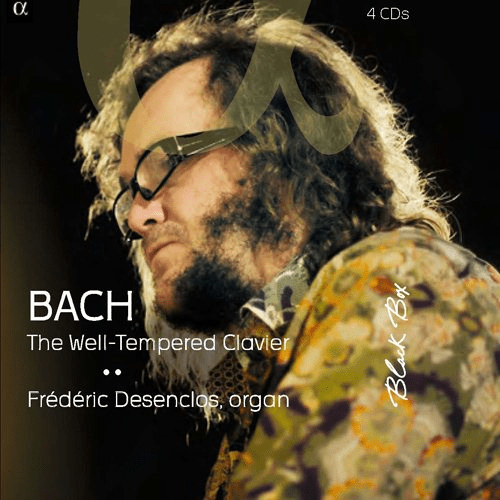
- Luchin: El clavecín bien temperado. Se tocaron durante su velatorio, marzo 1996
16 / 3 – Lunes: Instrumental. Rwezski- El pueblo unido jamás será vencido!
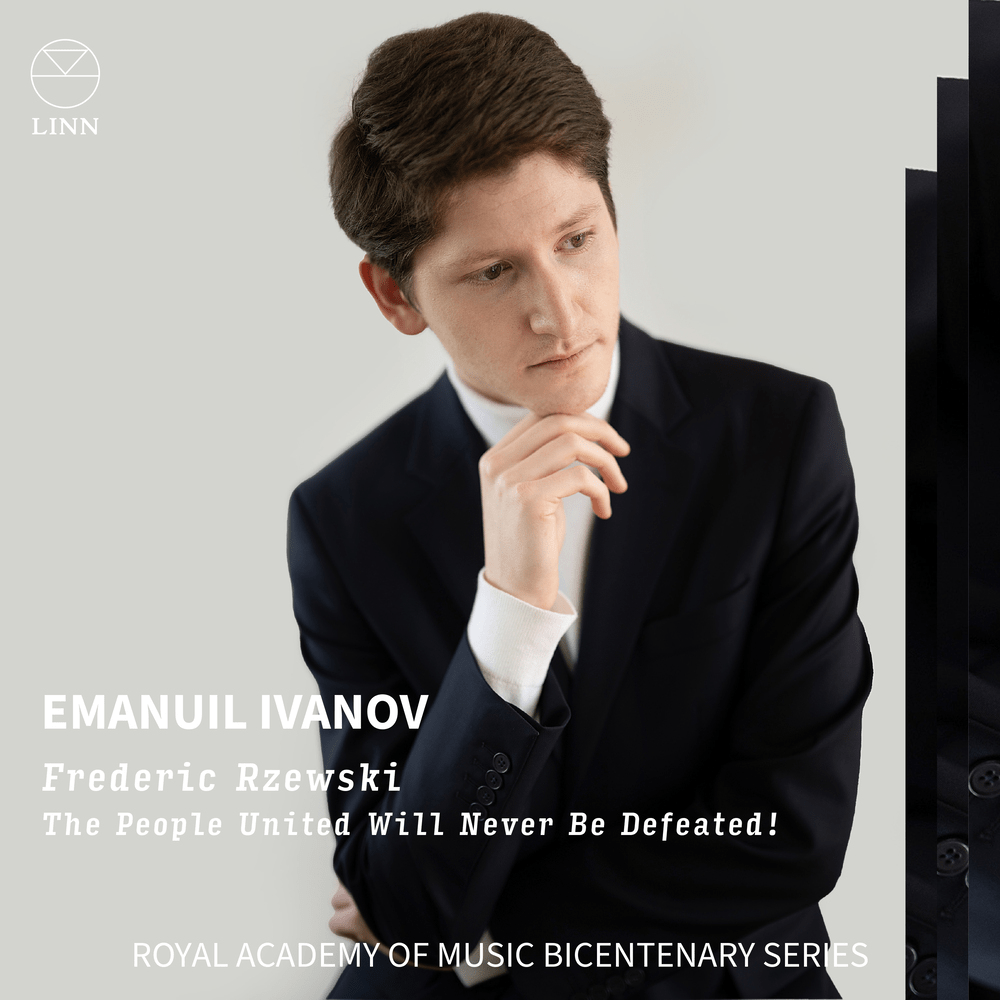
Pianist Emanuil Ivanov, who won first prize at the 2019 Ferruccio Busoni International Piano Competition in Italy, has recorded Frederic Rzewski’s sprawling 1975 masterpiece, The People United Will Never Be Defeated!. A maverick amongst composers of the recent past, Rzewski combined purposeful stylistic eclecticism and powerful, raw emotional content in this enormous cycle of variations on the Chilean song ¡El pueblo unido jamás será vencido!. As a composer himself, Emanuil revels in the improvisation opportunity right before the final restatement of the theme. This Linn debut album is part of the Royal Academy of Music Bicentenary Series.
Frederic Anthony Rzewski 1938 – 2021) was an American composer and pianist, considered to be one of the most important American composer-pianists of his time. From 1977 on, he lived primarily in Belgium. His major compositions, which often incorporate social and political themes, include the minimalist Coming Together and the variation set The People United Will Never Be Defeated!, which has been called «a modern classic».
———————– 000 ———————-
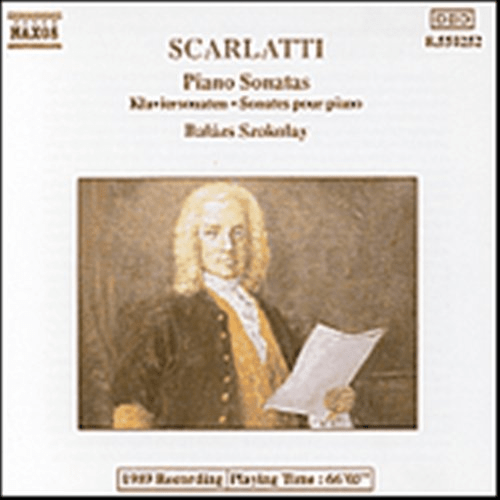
15 / 3 – DGO: Sonatas para piano de Domenico Scarlatti (n. Nápoli 1685 – m. 1757)
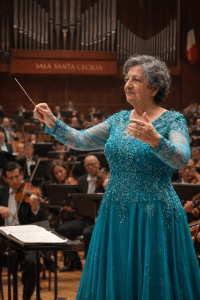
14 Marzo – Sábado: Ayer llevé a Elena y Livia a escuchar el Concierto para piano # 2 de Johannes Brahms, con Trifonov de solista, y además la 7a. sinfonia de Dvorak
Las niñas se llevaron una buena sorpresa al verme salir y volver al escenario muy elegante, subir al podio y tomar la batuta. Ni les habia contado que el dia antes, ante la súbita enfermedad del director Daniel Harding, me habían llamado para pedirme que lo reemplazara, Aunque no tuve mucho tiempo para prepararme, apenas 24 horas, creo que salió todo bastante bien.
En cuanto a Dvorak no quiero entrar en el detalle de como enfrenté toda la sinfonia, solo algo sobre los principales temas del Finale y el Allegro maestoso inicial. Estuve muy atenta en el Allegro a las cuerdas graves; que llevan el peso del motivo oscuro y tenso en re menor, con un carácter casi fatalista, que establece desde el inicio la atmósfera trágica y combativa de la sinfonía. Asi pude desarrollar debidamente el segundo tema de carácter lírico en que dejé a los vientos (sobre todo clarinetes y flautas).para que hicieran el debido contraste, mostrando ese cantabile de línea amplia y expresiva. No tan luminoso tampoco porque creo que hay que mantener una cierta melancolía.
El Finale recoge el drama inicial con un tema enérgico y turbulento, cercano en carácter al drama del 1er. movimiento, al mismo tiempo que me preocupé de resaltar los temas más líricos, con los que Dvorak magistralmente nos convoca a una maravillosa ambigüedad, expresada en una sutil transformación hacia el Re mayor. Yo sé que otros directores enfatizan más el dramatismo pero yo opté por la ambigüedad, eso inherente a la condición humana. A juzgar por los entusiastas aplausos me parece que lo hice bien y más contenta quedé con los 6.000 euros que me pagaron..
13 / 3 – Mierc. – Luchin: Escuchando sonatas para piano de WA Mozart
https://music.youtube.com/watch?v=P1V4qwNI4XE
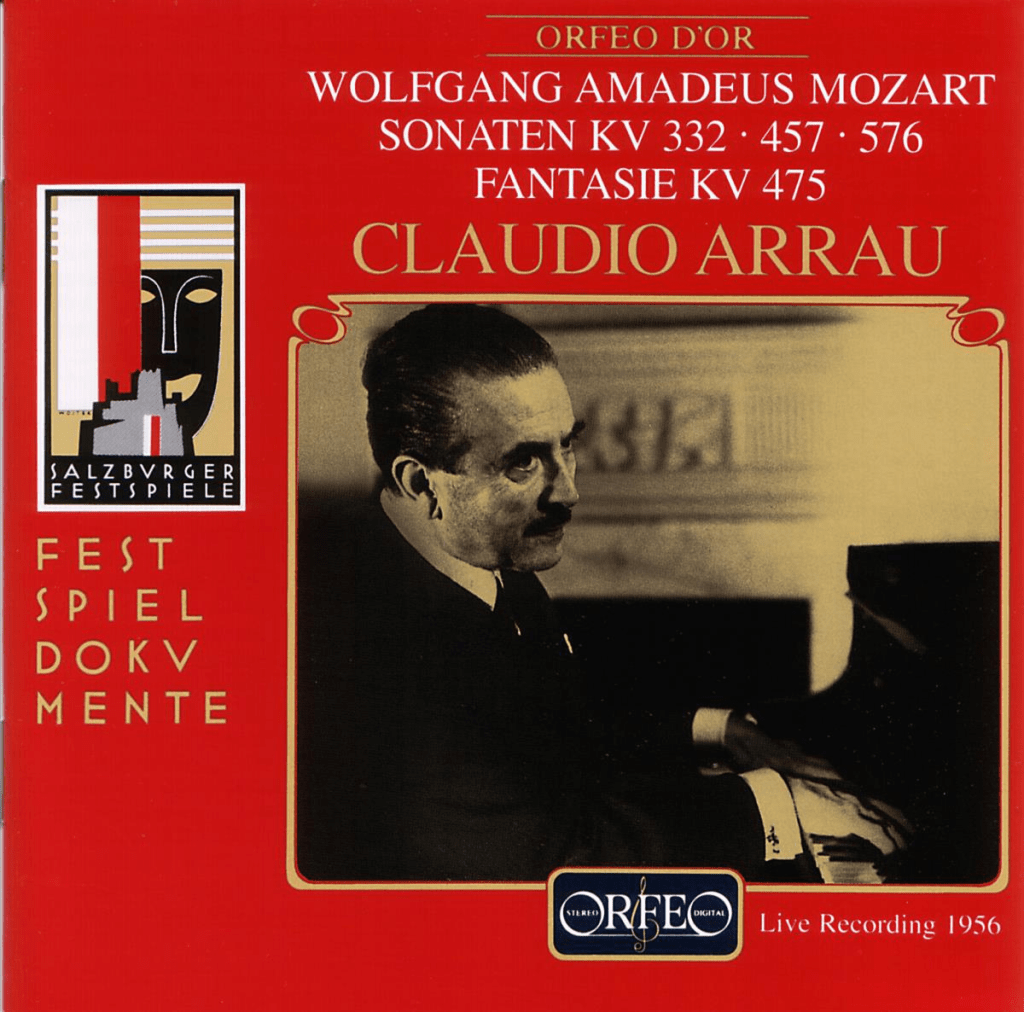
Balalin – Yo tengo una grabación con Claudio Arrau.
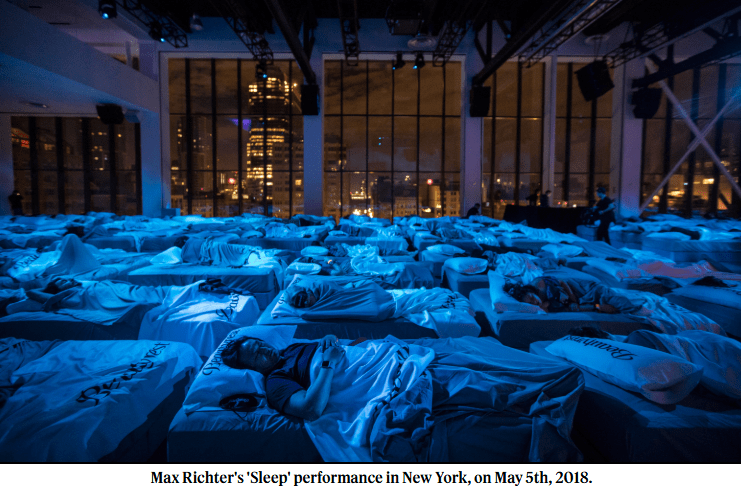
12 Marzo – Martes: BBC Music – Max Richter´s Sleep. Lasts the whole night, bring your pillow & your blanket
11 /3 – Instrumental Choice – Yuncham Lim (21 … !!) Variaciones Goldberg – An idiosyncratic set yes, but a revelatory one whose indulgences are a price worth playing for a flair-filled release that endlessly probes, illuminates & captivates.

10 / 3 Martes – Review of the Month:
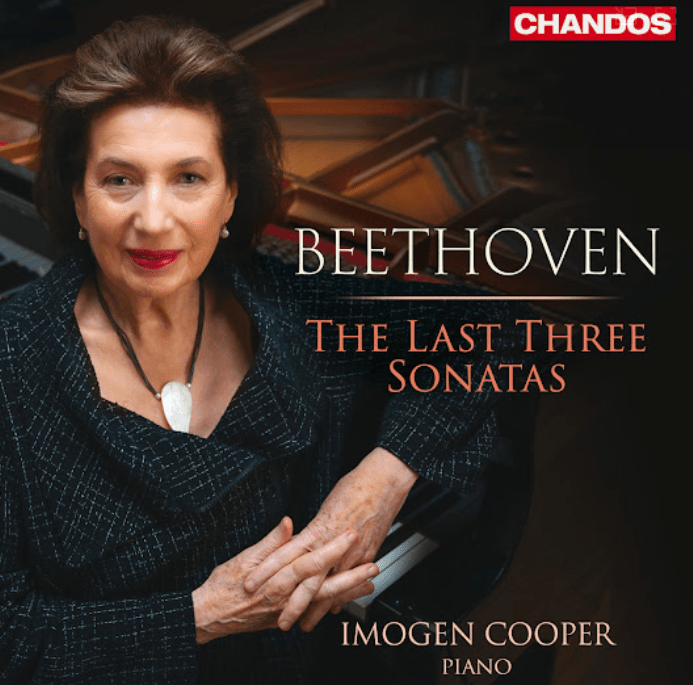
https://music.youtube.com/watch?v=UFu0i9UtywY&list=OLAK5uy_m1k6lc6mD_vt2_bHA4qcMkjbIIJRT__Og
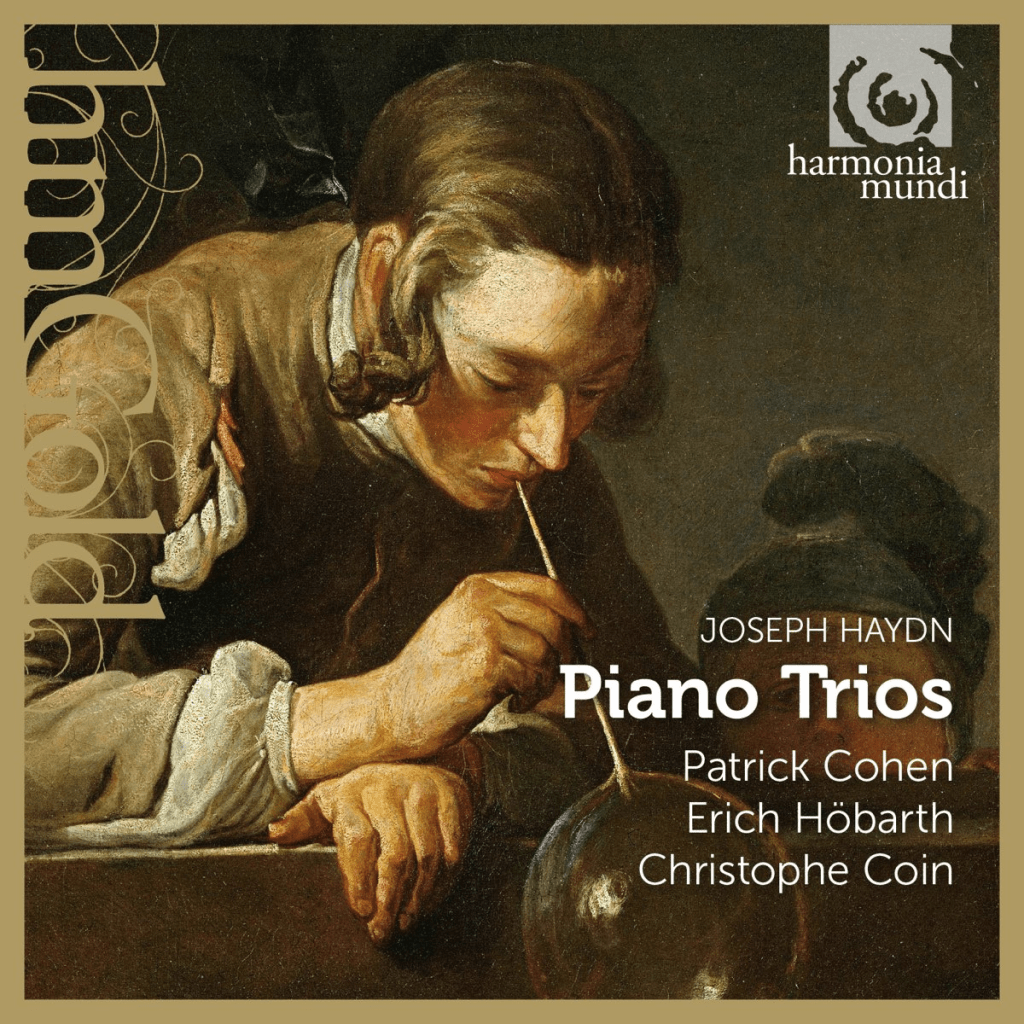
9 / 3 – Lunes: Haydn, Haydn, Piano Trios
8 / 3 Viernes – Orchestral Choice *****: Brahms Symph. #1 C Minor
Berliner Phil. with Kirill Petrenko
BBC music magazine – Marzo 2026
Musical Destinations: Naples USA,

donde vive Jessica Osceola con su familia

 Boletin Walintonia